Published Sunday, 22 February 2026
Stock Market Crash: Investor-Focused Strategy, Risk-Return Tradeoffs, and Platform Comparison (Singapore)
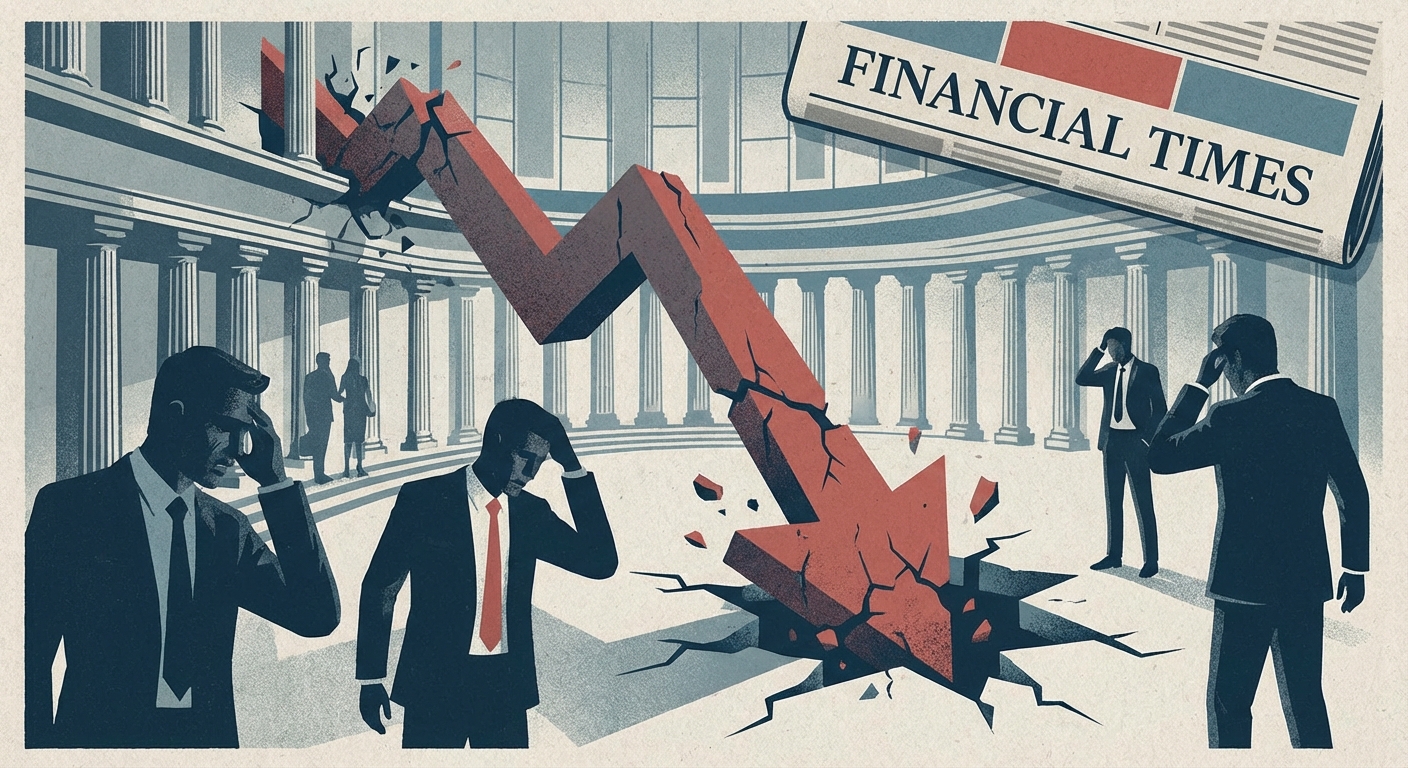
Stock Market Crash: Investor-Focused Strategy, Risk-Return Tradeoffs, and Platform Comparison (Singapore)
Market Context
A stock market crash typically refers to a rapid, broad-based sell-off that compresses valuations and spikes volatility. For Singapore-based investors, the practical impact is less about headlines and more about how drawdowns affect time horizon, cashflow needs, and portfolio concentration.
- Risk-return reality: Higher long-term expected returns often come with deeper interim drawdowns; a crash tests whether your risk capacity matches your risk tolerance.
- Local portfolio context: Many investors hold a mix of SGX dividends, US/global equities, and bond funds/SSBs—a crash can expose over-reliance on one market or factor (e.g., growth, tech, REITs).
Key Drivers
Crashes are not automatically “buy signals” or “sell signals”; they are stress events that reveal whether your portfolio construction fits your investor profile.
- Conservative / near-term needs (0–3 years): Prioritise capital preservation; consider limiting equity exposure and relying more on cash/short-duration bonds, recognising that expected returns may be lower.
- Balanced / long-term accumulators (5–15+ years): A disciplined rebalancing strategy can improve risk-adjusted returns over time, but only if you can stay invested through prolonged volatility.
- Aggressive / high risk capacity: Deploying cash gradually may enhance returns, but concentration risk rises sharply in crash conditions—avoid confusing volatility with value.
Key tradeoff: Buying into a crash can raise expected returns, but the path is uncertain; overcommitting too early can deepen drawdowns and force liquidation at the worst time.
Impact
A stock market crash invites comparison between “do something” and “do the right thing.” The best strategy is the one you can execute consistently under stress—and the platform you use can affect costs and execution outcomes.
- Lump sum vs DCA (Dollar-Cost Averaging):
- Lump sum may lead to higher long-run returns if markets recover quickly, but timing risk is high.
- DCA reduces timing regret and improves behavioural adherence, potentially at the cost of some upside.
- Rebalancing vs tactical bets:
- Rebalancing (e.g., restoring equity/bond targets) is systematic and risk-controlled.
- Tactical bets can outperform but often increase volatility and behavioural errors.
- Quality diversification vs “bargain hunting”:
- Broad-based index exposure reduces single-stock blowups during crashes.
- Stock picking can work, but requires valuation discipline, downside analysis, and a clear exit plan.
- Platform selection in volatile markets (fees, FX, execution, fit):
- Fees and total cost of ownership: commissions, custody, platform charges, and hidden costs such as FX conversion spreads.
- Market access and product range: SGX, US, global ETFs, bond funds; ensure the platform supports your diversification strategy.
- Execution and stability during high volatility: order types, fills, downtime risk, and transparency of pricing.
- Investor profile fit: long-term investors may prioritise low recurring fees and ETF access; active traders may prioritise tight spreads and robust order tools.
A crash amplifies small frictions: high fees or poor FX rates can materially reduce net returns, especially when you are rebalancing or averaging in across multiple tranches.
Conclusion/Kesimpulan
A stock market crash is a stress test of portfolio design and investor behaviour. The optimal response depends on risk capacity, time horizon, and the ability to execute a consistent strategy. Use comparison framing—lump sum vs DCA, rebalancing vs tactical bets—and choose a platform based on total fees, execution quality, and investor profile fit to protect downside while positioning for long-term returns.
Keyword: stock market crash